



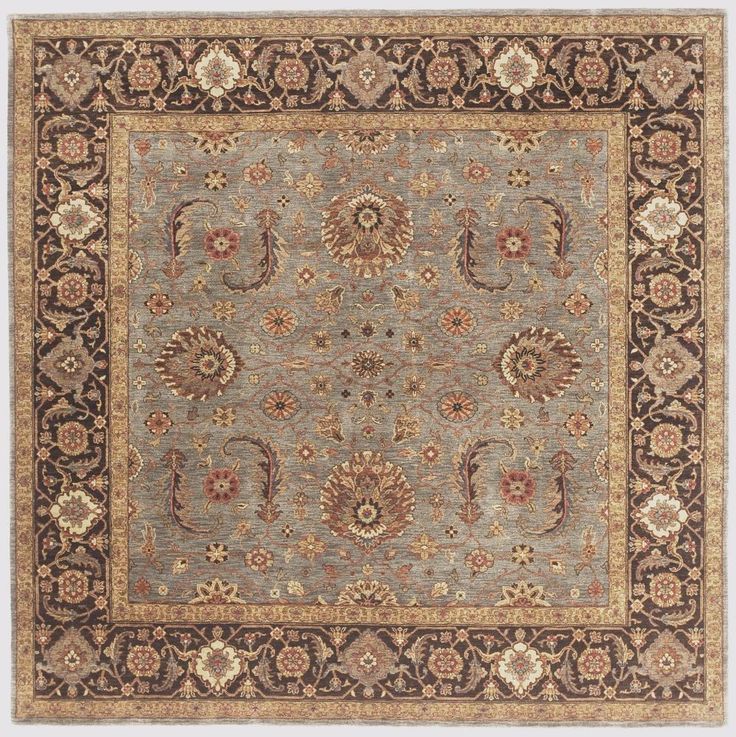
You decide to upgrade your living room. You want something authentic, something made by human hands rather than a machine. You start searching and immediately hit a wall of terminology. “Hand-tufted,” “hand-loomed,” and “hand-knotted” all sound similar. Sellers often group them under the broad umbrella of “handmade.” But if you treat them all the same, you might make a costly mistake.
The truth is, not all handmade rugs are equal. The difference in quality, longevity, and price between these categories is massive. Hand knotted rugs represent the pinnacle of rug making. They are not just floor coverings; they are heirlooms that can last for generations. Understanding why they cost more and why they look different requires a look under the hood—or rather, a look at the backing.
This guide breaks down exactly what sets Hand Knotted Rugs apart from other varieties. We will look at the construction, the materials, and why investing in a true knot makes sense for your home.
The Misunderstood World of “Handmade”
Marketing often blurs the lines between rug types. A seller might label a rug “handmade” because a person operated a machine to make it. While technically true, this creates confusion. To make an informed decision when you buy rugs online india, you need to know the specific technique used.
Hand-Knotted: The Gold Standard
This is the most ancient and labor-intensive method. An artisan sits at a vertical loom and ties individual knots onto the warp threads, one by one. They cut the pile after each row. A single rug can contain millions of knots. This process takes months, sometimes even years, to complete. No glue holds the rug together; the structure relies entirely on the tightness of the knots.
Hand-Tufted: The Faster Alternative
A hand-tufted rug mimics the look of a knotted rug but skips the actual knotting. A worker uses a hand-operated “tufting gun” to shoot loops of yarn through a canvas backing which has the design imprinted on it. Once the design is filled, a second fabric is glued to the back to hold the yarn in place. This takes days or weeks, not months. These rugs shed more and have a shorter lifespan because the glue eventually dries out and cracks.
Hand-Loomed: The Speed Weaver
Hand-loomed rugs are made on a loom operated by hand and foot pedals. A rod shoots across the loom to weave the fibers. This produces rugs quickly, but the design capabilities are limited. You usually see simple geometric patterns or solid colors in hand-loomed pieces. They lack the intricate detail and structural integrity of a knotted rug.
Materials Matter: The Foundation of Quality
The construction method is vital, but the materials determine how the rug feels and wears over time. Handcrafted Rugs in India typically rely on natural fibers that age gracefully.
Wool
Wool acts as the backbone of the rug industry. It offers natural stain resistance, durability, and a soft texture. High-quality wool contains lanolin, a natural oil that repels dirt and keeps the fibers strong. In hand-knotted pieces, the wool absorbs dye beautifully, creating deep, rich colors that synthetic fibers cannot replicate.
Silk
Artisans use silk for intricate details or high-end luxury pieces. Silk threads are finer than wool, allowing for a higher knot count and incredibly sharp designs. Silk adds a natural sheen that catches the light, giving the rug a dynamic appearance. Because silk is delicate, weavers often blend it with wool to balance beauty with durability.
Cotton
You rarely see the cotton in a finished rug, but it plays a crucial role. Weavers typically use cotton for the warp and weft—the skeleton of the rug. Cotton threads are strong and do not stretch, providing a stable foundation for the wool or silk knots.
The Knotting Process: Pixels made of Thread
Think of a digital image. The more pixels it has, the clearer the picture. Hand knotted rugs work the same way. The “pixels” are the knots.
The density of these knots defines the quality. We measure this in Knots Per Square Inch (KPSI). A higher KPSI means the weaver spent more time tying smaller, tighter knots. This allows for incredibly complex, curvilinear designs. Flowers look like flowers, not jagged shapes.
This process is physically demanding. A weaver must possess high dexterity and patience. They follow a map called a “Talim” or a graph, translating a visual design into thousands of physical motions. Because every knot is tied by hand, no two rugs are perfectly identical. You might find slight variations in the pattern or color, known as “abrash.” These are not flaws; they are the fingerprints of the artisan.
Why Choose a Hand-Knotted Rug?
The price tag on a hand-knotted rug is higher than other types. Is it worth it? Here are three reasons why the answer is yes.
Unmatched Durability
A well-made hand-knotted rug can last 50 to 80 years, often longer. Since there is no adhesive backing to deteriorate, the rug stays intact. You can wash it, clean it, and walk on it for decades. Many families pass these rugs down to children and grandchildren.
Distinct Artistry
The level of detail possible with hand knotting is superior to tufting or looming. The designs have depth and character. The pile has a unique direction; the rug looks lighter from one end and darker from the other as the light hits the angle of the knots. This adds a level of sophistication to a room that flat, machine-made rugs cannot match.
Value Retention
Unlike furniture that loses value the moment you use it, hand-knotted rugs often retain their value. Some even appreciate over time as they become vintage or antique. They are collectible items.
The Ambiente: Weaving Tradition with Modernity
If you are looking for authentic Handcrafted Rugs in India, The Ambiente offers a blend of heritage and contemporary style.
The brand roots itself in Bhadohi, a town known as the hub of handmade carpets. While many companies focus solely on export, founders Avani and Ayush brought this expertise to the Indian market. They recognized a gap. Indian homes deserved access to the same high-quality rugs that were being shipped overseas.
The Ambiente is not just a storefront. It is a design-led atelier backed by a parent company with over 30 years of manufacturing experience. They employ over 4,000 women weavers, providing sustainable livelihoods in rural areas.
Their approach is simple: create rugs that set the mood of a space. Whether you need a modern abstract piece or a traditional floral motif, their collection connects the history of Bhadohi craftsmanship with the aesthetic needs of modern homes. You can visit their flagship store in New Delhi or browse their collection online.
Tips for Buying Hand-Knotted Rugs Online
Buying a high-value item like a rug on the internet feels daunting. Here is how to ensure you get the real deal when you buy rugs online india.
1. Check the Back
This is the easiest test. Ask for a photo of the rug’s underside. In a hand-knotted rug, the design on the back mirrors the design on the front perfectly. You should see the individual knots. If the back has a canvas covering or looks glued, it is hand-tufted, not knotted.
2. Look for Imperfections
Machine-made rugs are perfect. Hand-knotted rugs are human. Look for slight variations in the width of the lines or the symmetry of the pattern. These signs prove a person made it.
3. Count the Knots
Listings should mention the knot density or quality. If a seller avoids talking about knots or materials and uses vague terms like “custom pile,” ask for specifics.
4. Verify the Materials
Ensure the listing specifies “100% Wool” or “Wool and Silk.” Be valid of terms like “art silk” or “viscose” if you want a rug that lasts decades. While viscose looks nice initially, it does not hold up to traffic like wool.
5. Trust the Source
Buy from established brands like The Ambiente that have a history of manufacturing. Brands with their own artisan networks control quality better than third-party resellers.
A Thread of Excellence
Choosing a rug is about more than filling a blank space on your floor. It is about choosing the atmosphere of your home.
Hand knotted rugs stand apart because they represent a commitment to quality. They reject the “fast fashion” mentality of home decor. When you buy one, you support a skilled artisan and acquire a piece of art that withstands the test of time.
Whether you prefer a bold modern design or a subtle classic pattern, the construction remains the key. Look for the knot. It holds the secret to longevity, beauty, and value.
