



The Global Automotive Aftermarket
The automotive aftermarket has witnessed remarkable transformation over recent decades, with globalization and improved logistics creating unprecedented access to quality components from around the world. Among the most significant developments has been the growth of Japanese Domestic Market parts importation, which has revolutionized how vehicle owners approach maintenance, restoration, and performance projects. This market segment has matured from niche specialty suppliers serving hardcore enthusiasts to mainstream operations providing accessible options for everyday vehicle owners seeking quality components at reasonable prices.
The Mileage Advantage Explained
One of the most compelling aspects of imported Japanese components is the typically low mileage found on these parts. Japanese vehicle ownership patterns differ significantly from North American norms, with cars often replaced while still in excellent mechanical condition. Japan’s vehicle inspection system, known as Shaken, becomes progressively more expensive as vehicles age, creating financial incentives for owners to replace their cars more frequently. This regulatory environment, combined with cultural preferences for newer vehicles and strong resale values for late-model used cars, results in vehicles being retired with relatively modest odometer readings. Low mileage JDM engines frequently feature 40,000 to 70,000 miles compared to 120,000 miles or more typical of domestic salvage components.
Understanding Mileage Impact
Understanding the significance of mileage differences requires considering how automotive components accumulate wear over time. Engines, transmissions, and other major components experience mechanical stress with each mile of operation. While modern components are designed for impressive longevity, accumulated wear eventually manifests as reduced performance, increased oil consumption, declining efficiency, and eventually failure. Starting with components that have accumulated less wear provides buyers with substantially more remaining service life, potentially years or decades of additional use before replacement becomes necessary again. This extended usable lifespan represents significant value beyond simple initial purchase price comparisons.
Extensive Component Availability
The diversity of available components through the imported market spans virtually all Japanese manufacturers and numerous model years. Whether you’re working on a common mainstream vehicle or a rare enthusiast model, appropriate replacement parts likely exist within the import supply chain. This breadth of availability has opened possibilities that didn’t exist when buyers were limited to domestic salvage yards or expensive new dealership parts. Restoration projects that might have stalled due to unavailable components can now proceed. Performance builds can access higher-specification parts from Japanese domestic models. Even practical daily driver maintenance becomes more cost-effective through imported replacement options.
Quality Control Standards
Quality control practices among reputable importers have evolved significantly as the market has matured. Professional operations understand that their success depends on consistently delivering components that meet or exceed customer expectations. Inspection protocols typically include visual examination of external condition, functional testing where applicable, and documentation of specifications and condition. Many suppliers photograph components before shipping, providing buyers with visual confirmation of what they’re purchasing. This attention to quality helps build trust and reduces the risk of receiving parts that don’t meet expectations or aren’t suitable for intended applications.
Compatibility Verification Process
Compatibility verification remains essential regardless of component type or vehicle application. While some parts interchange easily between similar vehicles, others require careful attention to specifications and fitment details. Model year differences, market variations, and even manufacturing date changes can affect compatibility. Engine codes, transmission types, rear axle ratios, and numerous other specifications all play roles in determining whether specific components will work in particular applications. Thorough research using vehicle identification numbers, component codes, and consultation with knowledgeable suppliers helps ensure successful installations. Time invested in verification before purchasing prevents frustration and expense associated with ordering incorrect parts.
Installation Complexity Spectrum
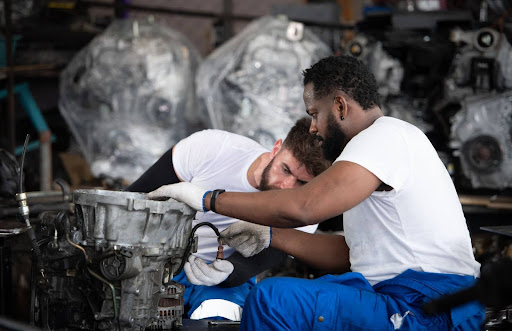
Installation complexity varies dramatically depending on component type and specific application. Simple bolt-on replacements of identical components represent the easiest scenario, often achievable by competent DIY mechanics with basic tools and procedures. More complex installations involving different specifications or upgrade components may require additional parts, custom fabrication, or specialized knowledge. Major installations like engine swaps can range from relatively straightforward to extremely complex depending on the specific vehicles and components involved. Understanding the scope of work required before beginning projects helps with planning, budgeting, and deciding whether to tackle installations yourself or engage professional assistance.
Maintenance Requirements
Maintenance requirements for imported components generally align with manufacturer recommendations for similar parts. Regular service using appropriate fluids, filters, and consumables helps ensure optimal performance and longevity. Japanese components typically respond well to proper maintenance, often delivering exceptional durability when cared for appropriately. Some components may have specific sensitivities or requirements worth noting, such as particular oil specifications for certain engines or specific fluid types for particular transmissions. Consulting factory service documentation or knowledgeable sources helps identify any special considerations that optimize component performance and service life.
Total Cost Analysis
Cost considerations extend beyond simple purchase prices to encompass total project costs and expected longevity. While imported components often cost more than the cheapest domestic salvage options, they typically offer better value when considering condition, mileage, and expected remaining service life. Compared to new OEM parts, imported components provide substantial savings while often delivering comparable or superior value. Remanufactured components fall somewhere in between, with quality varying significantly based on rebuilder standards. Calculating complete project costs including shipping, installation, and supporting components provides realistic budget expectations and helps make informed decisions about which options offer the best overall value.
Environmental Stewardship
Environmental benefits of choosing imported used components deserve recognition in an era of increasing ecological awareness. Extending the useful life of quality components through reuse represents one of the most sustainable approaches to vehicle maintenance. Manufacturing new parts requires enormous energy inputs for mining, refining, machining, and assembly. Even remanufacturing consumes significant resources despite being less impactful than new production. Importing and reusing functional components from Japanese vehicles reduces waste, conserves resources, and minimizes environmental footprint. This approach supports circular economy principles while providing practical benefits through cost savings and quality advantages.
Performance Applications
Performance applications benefit particularly from low-mileage imported components. Building reliable performance vehicles requires starting with quality foundations capable of handling increased stress and power levels. Components with extensive prior use may have accumulated wear that compromises their ability to handle modifications reliably. Starting with low-mileage imported parts provides builders with components closer to new condition at fraction of new part costs. This approach enables more ambitious builds while maintaining reliability and longevity expectations. Many successful performance vehicles rely on imported components as their foundations, demonstrating the viability of this approach across various applications and power levels.
Warranty and Support Services
Warranty protection and supplier support add significant value when purchasing imported components. Reputable suppliers typically offer warranties covering mechanical defects for specified periods or mileage limits, providing protection against unforeseen issues. These guarantees demonstrate supplier confidence in their inspection processes and product quality. Responsive customer service and technical expertise help buyers navigate selection processes, answer questions, and address concerns that arise. Clear communication and professional support distinguish quality suppliers from less reliable sources, contributing substantially to positive experiences and successful installations.
Future Market Development
Looking forward, the market for low-mileage imported components appears positioned for continued growth and evolution. As more vehicle owners discover the advantages these parts offer, demand will likely increase, potentially driving improvements in availability, pricing, and logistics. Technological advances in shipping, inventory management, and online marketplaces may make sourcing imported components even more accessible and convenient. The combination of superior condition, competitive economics, and environmental benefits suggests that imported automotive components will remain popular choices for discerning vehicle owners seeking optimal solutions for their maintenance, restoration, and performance needs across diverse applications and vehicle types.
