



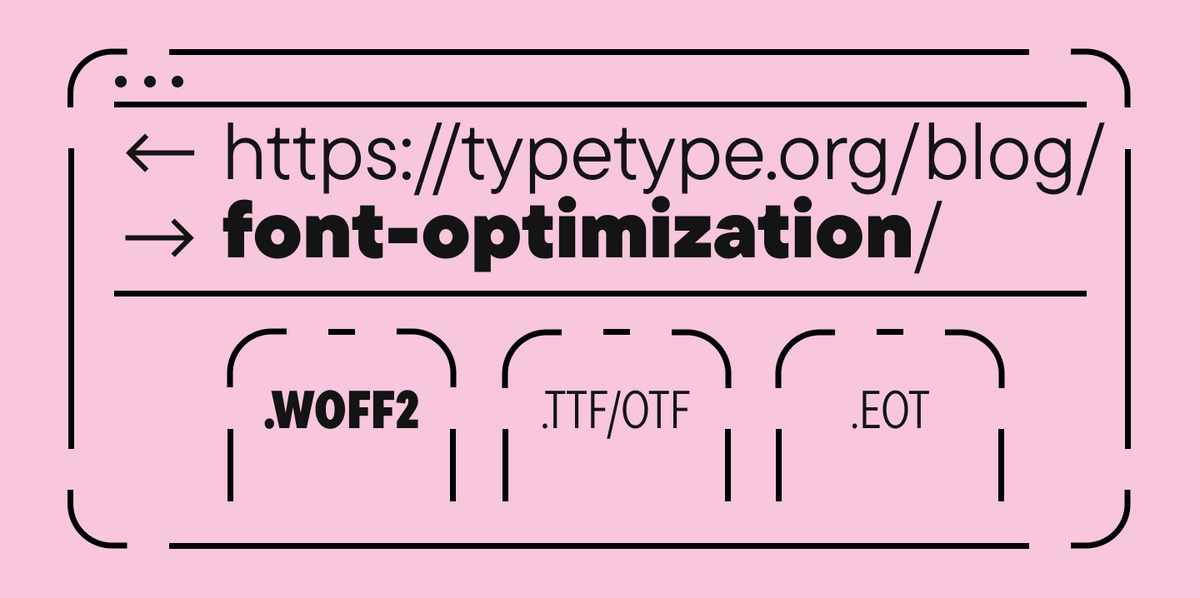
Web fonts shape brand presentation, but every family, weight, subset, and delivery choice affects loading and rendering. A disciplined font strategy keeps text readable immediately, limits unnecessary transfers, and reduces layout movement without forcing a business to abandon its visual identity.
Create a font inventory
List every font request by family, weight, style, format, page type, and source. Compare the CSS declaration with what is actually used, because design systems often retain old weights after components have changed.
Remove duplicate files and map each remaining face to a visible purpose. An inventory gives designers and developers a shared basis for deciding whether a small visual distinction deserves another network and rendering cost.
For optimizing web fonts, document the evidence, affected template, and owner before changing the page. Recheck the same scenario after release and retain the trace with the project record. This makes the result reproducible and helps another team distinguish a lasting improvement from a favourable one-off test.
Choose efficient modern files
Use broadly supported compressed formats and create subsets that match the languages and characters the page genuinely needs. Do not remove glyphs required for customer names, legal text, currencies, or regional content.
Test the subset on production-like copy. A tiny file that falls back unpredictably for accented characters creates a fragmented experience and can change line lengths.
For optimizing web fonts, prioritisation should reflect both user exposure and business importance. Estimate how many visits encounter the issue, which tasks are interrupted, and whether the proposed fix creates dependencies elsewhere. That comparison gives decision-makers a clearer basis for sequencing work than a generic performance grade.
Limit families and weights
Synthetic emphasis, variable fonts, and carefully chosen defaults can reduce the number of files, but each option has compatibility and design implications. Review the full component library rather than a single mockup.
Establish an approved typography scale and stop templates from requesting weights that are visually indistinguishable. Where a variable font helps, limit its axes and subset it instead of shipping every possible variation.
For optimizing web fonts, test the decision under realistic constraints, including slower devices, limited bandwidth, empty and warm caches, and common consent states. Also confirm keyboard access, readable content, and functional analytics. An optimisation that hides content or breaks measurement has exchanged one problem for another.
Set a deliberate display policy
The font-display choice controls whether text is hidden, swapped, or retained during loading. Select it according to content priority and the visual difference between fallback and final faces.
For essential reading, make immediate visibility the default. Pair the policy with compatible fallback metrics so the eventual swap does not reflow headings, navigation, or calls to action.
For optimizing web fonts, assign acceptance criteria that a developer, editor, and business owner can understand. Include the intended user outcome, technical threshold, pages in scope, and rollback condition. Shared criteria reduce subjective debate when a release produces mixed results across different templates or audience segments.
Improve discovery and delivery
Self-hosting may improve control, while a specialist host may offer operational convenience. In either case, reduce connection overhead, cache files for a long period, and avoid redirects in font URLs.
Preload only the faces needed in the first viewport. Excessive preloads compete with HTML, images, and styles, turning an optimization hint into a new bottleneck.
For optimizing web fonts, keep the implementation as simple as the evidence allows. Additional libraries, duplicate optimisation layers, and broad exceptions increase maintenance cost and make future diagnosis harder. Prefer a change whose behaviour can be inspected directly and explained to the people responsible for the page.
Measure rendering effects
Test text visibility, LCP, and layout stability on slower connections and common mobile devices. Inspect waterfall order as well as the final score to understand whether fonts block rendering or arrive harmlessly later.
Use real-user monitoring to compare templates and regions. Language mix can materially change font behavior, so a single English-language laboratory page is not enough.
For optimizing web fonts, review the result at both page and template level. One improved URL may prove the mechanism, but it does not show that every variant received the fix. Sample high-traffic pages, long-tail pages, and unusual content states before marking the work complete.
Document rules for publishing teams
Editors need approved styles, while developers need file and preload conventions. Businesses seeking broader technical guidance may evaluate an
When comparing implementation support, organisations may review an experienced seo agency. The evaluation should cover diagnostics, development collaboration, content quality, reporting, and the ability to explain trade-offs in plain language. No provider can guarantee rankings, and any recommendation should be tested against the site’s own users, platform, and commercial priorities.
For optimizing web fonts, communicate uncertainty explicitly. Traffic mix, campaigns, browser updates, and content changes can move field data without a code regression. Release annotations and a reasonable measurement window help the team avoid reversing a sound decision in response to ordinary variation.
Review after brand changes
A rebrand, redesign, localization launch, or component migration can restore unused faces and conflicting declarations. Include the font inventory in release acceptance checks.
Treat typography as maintained infrastructure. Periodic review keeps visual consistency while preventing gradual growth in bytes, requests, and layout risk.
For optimizing web fonts, add the confirmed rule to design, development, or publishing guidance so the benefit survives staff and vendor changes. A short standard with an owner and review date is more useful than a long report that nobody checks during the next release.
Promote only a strong destination
After the resource and user experience are ready, relevant buy backlinks for seo may support responsible discovery. Review the publication, article context, audience, disclosure, anchor wording, and destination together. Promotion should extend a useful page’s reach, not conceal slow performance, thin content, or an unclear customer journey.
Implementation Review
Before closing the work on optimizing web fonts, review the production experience with representatives from technical, editorial, analytics, and commercial teams. Confirm that the change reached the intended USA audience, did not weaken accessibility or essential functions, and has an accountable owner. Record what was changed, what evidence supports the result, what remains uncertain, and which event should trigger the next investigation. Compare at least one high-traffic page with a less common content state, and note any difference that deserves separate treatment. Keep screenshots, traces, and release references together so a future reviewer can verify the reasoning without rebuilding the investigation from memory. Share the concise record with everyone responsible for the next related release, including relevant external partners and platform owners. This final review turns a temporary optimisation into a maintainable operating decision.
Final Takeaway
The strongest approach to optimizing web fonts combines field evidence, controlled diagnosis, careful implementation, and business context. Protect the improvement with clear ownership, release checks, and monitoring so the experience remains dependable as content, tools, and customer expectations change.
