



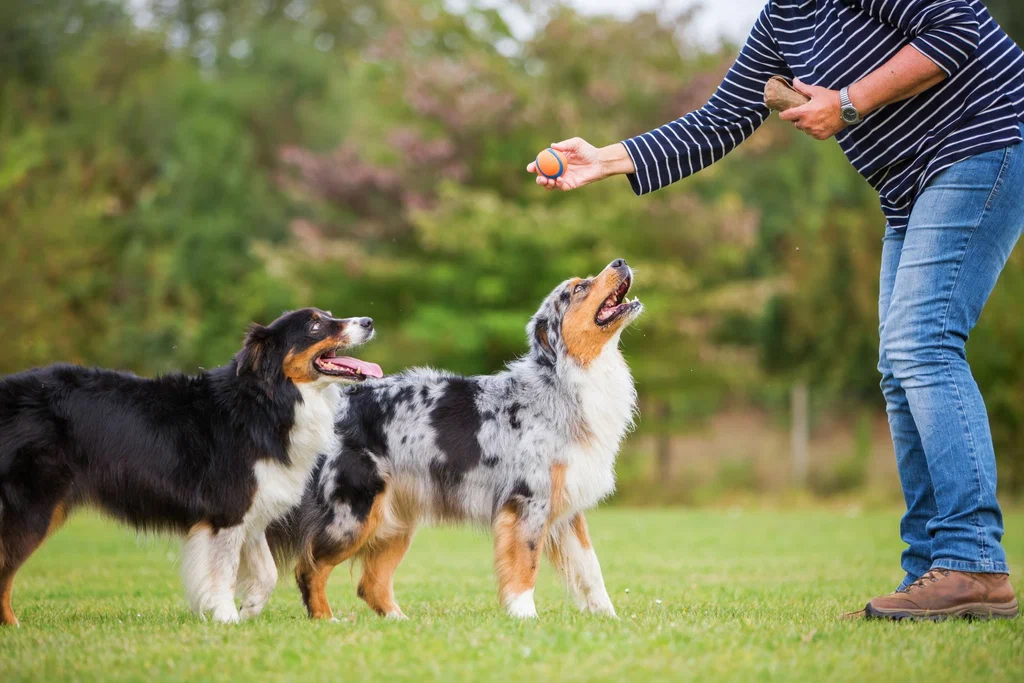
Finding the right dog trainer North Scottsdale AZ can make a meaningful difference in how comfortably a dog responds to everyday situations. Whether you are raising a puppy, addressing leash pulling, or working through challenging behaviors, professional guidance can create clearer communication between dogs and owners.
Effective training is not simply about teaching commands. It is about understanding why a dog behaves a certain way, establishing consistent expectations, and building skills that remain useful in real-world situations.
What Makes Professional Dog Training Effective
Dogs learn through repetition, reinforcement, timing, and consistent communication. While many owners can teach basic commands independently, more complicated behaviors often require a structured approach.
A professional trainer can evaluate a dog’s current behavior and identify patterns contributing to unwanted habits. Instead of addressing symptoms alone, training can focus on developing skills that help the dog make better choices.
A strong training program may address:
- Basic obedience and reliable commands
- Leash manners and walking skills
- Recall and impulse control
- Puppy socialization
- Jumping, barking, or other unwanted behaviors
- Confidence around unfamiliar environments
- Behavior challenges involving fear or reactivity
The most effective approach depends on the dog’s age, temperament, previous experiences, and the owner’s goals.
When to Work With a Dog Trainer North Scottsdale AZ
There is no single point when professional training becomes necessary. Some owners seek help after bringing home a puppy, while others contact a trainer after a behavior becomes difficult to manage.
Early training can establish good habits before unwanted behaviors become deeply ingrained. Puppies benefit from learning boundaries, appropriate social skills, house routines, and foundational obedience.
Older dogs can also benefit from professional instruction. Dogs are capable of learning throughout their lives, and targeted training can help owners improve communication while introducing more reliable behaviors.
Consider professional guidance if your dog:
- Struggles to follow basic commands consistently
- Pulls excessively during walks
- Has difficulty settling around distractions
- Jumps on visitors or people
- Shows signs of fear, anxiety, or reactivity
- Has unreliable recall
- Becomes difficult to manage in public settings
Addressing these challenges early can make everyday interactions more predictable and enjoyable.
Why Individualized Training Matters
Every dog learns differently. A young, energetic puppy may require a different strategy than an adult dog with years of established habits.
Individualized dog training considers factors such as motivation, energy level, environment, previous training, and the specific behavior being addressed. This allows exercises to be adjusted rather than relying on a one-size-fits-all program.
Owner participation is equally important. Dogs spend far more time with their families than in training sessions, so owners need practical techniques they can continue using at home.
Consistency is often more important than the length of a training session. Short, focused practice incorporated into everyday routines can reinforce lessons without overwhelming the dog or owner.
Building Better Leash Manners
Leash behavior is one of the most common concerns for dog owners. Pulling, lunging, stopping repeatedly, or becoming distracted can make an otherwise enjoyable walk frustrating.
Effective leash training begins with teaching the dog what behavior is expected. Training can focus on reinforcing attention, appropriate positioning, and calm movement.
Owners can improve progress by practicing in environments with manageable distractions before gradually increasing difficulty. This creates opportunities for the dog to succeed rather than expecting reliable behavior in overwhelming situations.
A well-trained dog does not need to walk perfectly beside its owner every second. The goal is a safe, manageable walking relationship in which the dog responds to guidance when distractions appear.
Developing Reliable Recall and Impulse Control
Recall is an essential skill because it provides an important layer of safety. A dog that reliably responds when called is easier to manage when doors open, distractions appear, or unexpected situations occur.
Training recall should begin in controlled environments and progress gradually. Owners should avoid situations where the dog repeatedly ignores the recall cue, because consistent reinforcement helps build a stronger response.
Impulse control works alongside recall. Teaching a dog to pause, wait, disengage from distractions, and respond to a cue before acting can improve behavior across everyday situations.
These skills can be especially useful for dogs living active lifestyles in North Scottsdale, where walks, outdoor activities, visitors, and new environments can present numerous distractions.
Training Beyond Basic Obedience
Obedience commands are useful, but successful dog training extends beyond sitting, staying, and coming when called.
Real-life training teaches dogs how to behave when circumstances change. A dog may know how to sit in a quiet living room but struggle when guests arrive or another dog passes nearby.
That is why practical training should gradually introduce distractions and different environments. Dogs need opportunities to practice skills in situations that resemble daily challenges.
Owners can reinforce training by incorporating simple exercises into normal routines. Asking for a calm wait before opening a door, practicing attention during walks, or reinforcing appropriate behavior around visitors can turn ordinary moments into valuable learning opportunities.
How to Choose the Right Trainer
Choosing a professional is about more than finding someone who teaches basic commands. Owners should look for a trainer who takes time to understand the dog and clearly explains the training process.
Before beginning a program, ask about:
- The trainer’s experience with your dog’s age and behavior
- Training methods and philosophy
- Available training formats
- How owners participate
- How progress is measured
- What support is available between sessions
Clear communication matters. A good trainer should explain what the dog is learning, why exercises are being used, and how the owner can reinforce those skills.
It is also worth considering whether the training format fits your lifestyle. Private instruction can provide individualized attention, while intensive programs may suit owners seeking a structured experience.
Creating Long-Term Results
Dog training should not end when a formal lesson or program is completed. Dogs need continued reinforcement to maintain learned behaviors, particularly when their environment or routine changes.
Owners can support long-term progress by practicing established cues, rewarding appropriate behavior, and addressing small problems before they become larger ones.
Training also becomes more effective when everyone in the household follows the same expectations. If one person allows a behavior that another discourages, the dog receives mixed signals and may struggle to understand what is expected.
The objective is not to create a dog that responds perfectly in every situation. It is to build dependable communication, practical skills, and a relationship that makes everyday life easier for both dog and owner.
Start With a Training Plan That Fits Your Dog
Choosing a dog trainer North Scottsdale AZ gives owners an opportunity to address current challenges while building skills that can benefit their dogs for years. From puppy obedience and leash manners to recall and complex behavior concerns, professional instruction can provide structure and practical guidance.
The best training plan considers the individual dog, involves the owner, and focuses on skills that transfer into everyday life. With consistent practice and clear communication, training can become more than a way to correct unwanted behavior. It can become a foundation for a safer, calmer, and more rewarding relationship.
For personalized dog training services and professional guidance tailored to your dog’s needs, visit Rob’s Dog Training at robsdogs.
