



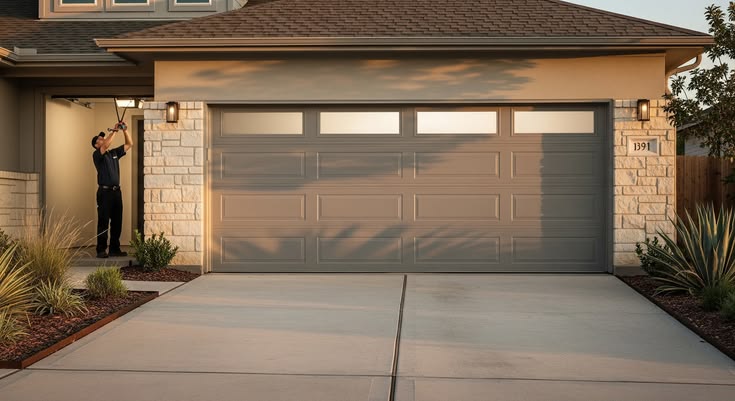
When shopping for a new garage door, you’ll likely encounter the term R-value. While many homeowners focus on appearance, material, and price, insulation performance is equally important—especially if your garage is attached to your home or used as a workspace. Understanding garage door insulation R-value can help you make a smarter purchasing decision, improve energy efficiency, and increase comfort year-round.
Contents
ToggleThis guide explains what R-value means, why it matters, and how to choose the right garage door services Phoenix AZ insulation level for your garage door.
What Is R-Value?
R-value is a measurement of a material’s ability to resist heat transfer. In simple terms, it indicates how well a garage door can keep heat from passing through it.
The higher the R-value:
- The better the insulation performance
- The greater the resistance to heat flow
- The more energy-efficient the garage door
A door with a higher R-value helps keep warm air inside during winter and blocks excessive heat during summer.
Why Garage Door Insulation Matters
Many homeowners underestimate the impact a garage door can have on overall home comfort and energy usage.
Since garage doors often represent the largest opening in a home’s exterior, they can be a major source of energy loss if poorly insulated.
Benefits of an insulated garage door include:
- Reduced heating and cooling costs
- Improved indoor comfort
- Better temperature control in attached garages
- Quieter operation
- Enhanced durability
- Protection for stored items and vehicles
Insulation becomes particularly important when the garage shares walls or ceilings with living spaces.
How R-Value Is Measured
R-value measures thermal resistance. The rating is determined through testing that evaluates how effectively a material slows heat transfer.
Generally:
- Low R-value = Less insulation
- High R-value = Better insulation
For garage doors, the overall R-value depends on:
- Insulation material
- Insulation thickness
- Door construction
- Number of layers
- Thermal breaks and weather seals
Different manufacturers may use slightly different testing methods, so comparing products from reputable brands is important.
Common Garage Door R-Value Ranges
Garage doors are available in a wide range of insulation levels.
Non-Insulated Doors
Typical R-value:
- R-0 to R-2
These doors provide little protection against temperature changes and are generally best suited for detached garages in mild climates.
Lightly Insulated Doors
Typical R-value:
- R-3 to R-6
These doors offer modest thermal resistance and can improve comfort compared to non-insulated models.
Moderately Insulated Doors
Typical R-value:
- R-7 to R-12
Suitable for many residential applications, these doors provide noticeable energy-efficiency improvements.
High-Performance Insulated Doors
Typical R-value:
- R-13 to R-18+
These doors deliver superior thermal performance and are ideal for attached garages, extreme climates, or garages used as workshops.
Types of Garage Door Insulation
The insulation material used inside the door significantly affects its R-value.
Polystyrene Insulation
Polystyrene insulation is commonly used in mid-range garage doors.
Benefits include:
- Affordable cost
- Lightweight construction
- Decent insulation performance
Typical R-values range from R-6 to R-10 depending on thickness.
Polyurethane Insulation
Polyurethane insulation is injected between door panels and expands to fill cavities completely.
Advantages include:
- Higher R-values
- Better thermal efficiency
- Increased structural strength
- Improved noise reduction
Polyurethane-insulated doors often achieve R-values exceeding R-15.
Reflective Insulation
Some garage doors use reflective barriers designed to reduce radiant heat transfer.
While helpful in specific climates, reflective insulation is usually combined with other insulation materials for maximum effectiveness.
Single-Layer vs. Multi-Layer Doors
The number of layers in a garage door directly affects insulation performance.
Single-Layer Doors
Consist of one layer of material, typically steel or aluminum.
Characteristics:
- Lower cost
- Minimal insulation
- Reduced energy efficiency
Double-Layer Doors
Feature an exterior layer combined with insulation.
Benefits:
- Better temperature control
- Improved strength
- Quieter operation
Triple-Layer Doors
Include:
- Exterior panel
- Insulation core
- Interior backing layer
These doors provide:
- Maximum insulation
- Increased durability
- Enhanced noise reduction
- Higher R-values
How Climate Affects Your R-Value Needs
The ideal R-value depends largely on your local climate.
Warm Climates
In regions with mild winters, moderate insulation may be sufficient.
Recommended range:
- R-6 to R-9
Cold Climates
Areas with harsh winters benefit from higher insulation levels.
Recommended range:
- R-12 to R-18+
Extreme Temperature Regions
For locations with very hot summers and cold winters, investing in a high-performance insulated door often delivers the best long-term value.
Recommended range:
- R-15 and above
Attached vs. Detached Garages
The garage’s relationship to your home should influence your insulation decision.
Attached Garages
Because attached garages directly affect indoor temperatures, higher R-values are often worthwhile.
Benefits include:
- Reduced HVAC workload
- Lower energy bills
- Greater comfort in adjacent rooms
Detached Garages
If the garage is completely separate from the home, insulation may be less critical unless the space is used regularly for work, hobbies, or storage.
Beyond R-Value: Other Factors to Consider
While R-value is important, it should not be the only factor influencing your purchase.
Weather Sealing
Effective weather stripping prevents air leaks around the perimeter of the door.
Look for:
- Bottom seals
- Side weather stripping
- Top seals
Thermal Breaks
Thermal breaks separate interior and exterior metal surfaces to reduce heat transfer.
These features can significantly improve real-world energy efficiency.
Door Material
Different materials offer varying insulation properties.
Common choices include:
- Steel
- Aluminum
- Wood
- Fiberglass
- Composite materials
Installation Quality
Even a high R-value garage door will perform poorly if installed incorrectly.
Professional installation helps ensure:
- Proper sealing
- Correct alignment
- Maximum insulation performance
Cost vs. Long-Term Savings
Higher R-value doors typically cost more initially, but they often provide long-term financial benefits through reduced energy consumption.
Potential savings include:
- Lower heating bills
- Reduced air conditioning costs
- Less strain on HVAC equipment
- Increased home value
Over time, these benefits can offset the higher upfront investment.
Is the Highest R-Value Always Necessary?
Not necessarily.
The best choice depends on:
- Climate
- Garage usage
- Budget
- Home layout
- Energy efficiency goals
For many homeowners, a mid-range insulated garage door offers an excellent balance between cost and performance.
However, if your garage is attached to living spaces or used frequently, upgrading to a higher R-value model may provide substantial benefits.
Questions to Ask Before Buying
Before selecting a garage door, ask:
- What is the door’s tested R-value?
- What insulation material is used?
- Is the door single, double, or triple-layer construction?
- Are thermal breaks included?
- What type of weather sealing is provided?
- Is professional installation included?
These questions can help you compare products more accurately.
Conclusion
Understanding garage door insulation R-value is essential for making an informed purchasing decision. A higher R-value generally means better thermal resistance, improved energy efficiency, enhanced comfort, and quieter operation. However, the ideal insulation level depends on your climate, garage usage, and budget. By evaluating R-value alongside factors such as insulation type, door construction, weather sealing, and installation quality, you can choose a garage door that delivers lasting performance and value for years to come.
