



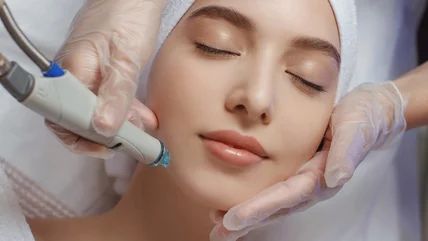
Achieving smoother, brighter, and more youthful-looking skin is a common skincare goal, and skin resurfacing treatments have become popular solutions for addressing wrinkles, scars, pigmentation, and uneven texture. Two of the most widely used resurfacing methods are chemical peels and laser treatments.
Both approaches can rejuvenate the skin, stimulate renewal, and improve overall appearance. However, they work differently and are better suited for different skin concerns, skin types, and desired outcomes.
Understanding the differences between Venus Viva Skin Resurfacing in The Woodlands chemical peels and laser resurfacing can help you determine which treatment may be the right choice for your skincare goals.
What Is Skin Resurfacing?
Skin resurfacing refers to treatments designed to remove damaged skin cells and encourage healthier skin regeneration.
These procedures can help improve:
- Fine lines and wrinkles
- Acne scars
- Uneven skin tone
- Sun damage
- Rough texture
- Dull complexion
- Enlarged pores
The main goal is to trigger the skin’s natural repair process, encouraging the growth of fresh skin cells and stimulating collagen production.
Understanding Chemical Peels
Chemical peels use specially formulated solutions applied to the skin to exfoliate damaged layers and reveal smoother skin underneath.
The strength and depth of a chemical peel depend on the type and concentration of ingredients used.
How Chemical Peels Work
A chemical solution causes controlled exfoliation of the skin.
As old skin cells are removed, the body responds by producing new cells, resulting in:
- Improved texture
- Brighter complexion
- Reduced discoloration
- Smoother appearance
Types of Chemical Peels
Superficial Peels
These are the mildest type of chemical peel.
Common ingredients include:
- Alpha hydroxy acids (AHAs)
- Beta hydroxy acids (BHAs)
They are often used for:
- Mild pigmentation
- Dull skin
- Minor texture concerns
Recovery time is usually minimal.
Medium Peels
Medium-depth peels penetrate deeper into the skin.
They may help with:
- Fine wrinkles
- Moderate sun damage
- Uneven tone
These treatments usually require more downtime than superficial peels.
Deep Peels
Deep chemical peels provide more dramatic resurfacing effects.
They may address:
- Deeper wrinkles
- Significant sun damage
- More advanced skin concerns
Because they are stronger, recovery can take longer.
Understanding Laser Skin Resurfacing
Laser resurfacing uses concentrated light energy to remove damaged skin layers or stimulate collagen production beneath the surface.
Laser treatments can be customized based on the patient’s goals and skin condition.
Types of Laser Resurfacing
Ablative Lasers
Ablative lasers remove the outer layers of damaged skin.
Examples include:
- CO2 lasers
- Erbium lasers
They are often used for:
- Deep wrinkles
- Acne scars
- Significant texture problems
- Skin tightening
Non-Ablative Lasers
Non-ablative lasers heat deeper tissue without removing the surface layer.
They may improve:
- Fine lines
- Mild pigmentation
- Early signs of aging
These treatments usually involve less downtime.
Chemical Peels vs. Lasers: Key Differences
Treatment Method
Chemical Peels
Use chemical solutions to exfoliate and renew the skin.
Lasers
Use controlled light energy to resurface skin and stimulate collagen.
The choice depends on the depth of correction needed.
Effectiveness for Skin Concerns
Fine Lines and Wrinkles
Both treatments can improve wrinkles, but laser resurfacing generally provides stronger collagen stimulation.
Chemical peels may work well for mild surface wrinkles, while lasers are often preferred for deeper lines.
Acne Scars
Laser treatments, especially fractional lasers, are commonly used for acne scars because they can remodel deeper scar tissue.
Chemical peels may help with mild acne-related texture and pigmentation but may not significantly improve deeper scars.
Pigmentation Problems
Chemical peels can be effective for:
- Sun spots
- Uneven tone
- Mild discoloration
Certain lasers can also target pigmentation, but treatment selection is important, especially for darker skin tones.
Skin Texture
Both methods can improve roughness and uneven texture.
Lasers often provide more intensive resurfacing, while peels offer a gentler renewal process.
Downtime Comparison
Chemical Peel Recovery
Recovery depends on the peel strength.
Possible effects include:
- Redness
- Peeling
- Dryness
- Sensitivity
Mild peels may require little downtime, while deeper peels require more healing.
Laser Recovery
Recovery varies based on the laser type.
Non-ablative lasers may involve:
- Mild redness
- Swelling
- Short recovery
Ablative lasers may require:
- Peeling
- Crusting
- Several days to weeks of healing
Which Treatment Is Better for Sensitive Skin?
Individuals with sensitive skin may prefer gentler chemical peels or non-ablative laser treatments.
A customized approach is important because aggressive treatments can increase irritation and inflammation.
Which Treatment Is Better for Darker Skin Tones?
Skin tone is an important factor when choosing resurfacing treatments.
Some laser procedures carry a higher risk of pigmentation changes in darker skin types. Chemical peels may sometimes be a safer option when carefully selected.
However, advanced laser technologies and customized settings have improved treatment options for many skin tones.
Consulting an experienced provider is essential.
Combining Chemical Peels and Lasers
In some cases, providers may recommend combining resurfacing methods.
A treatment plan may include:
- Chemical peels for surface renewal
- Laser treatments for deeper collagen stimulation
Combining approaches can help address multiple concerns at once, but treatments should be carefully scheduled to avoid excessive skin stress.
How to Choose the Right Treatment
Consider these factors:
Your Main Concern
Are you treating:
- Fine lines?
- Scars?
- Pigmentation?
- Texture?
- Skin laxity?
Different treatments target different problems.
Desired Downtime
If you need a quick recovery, gentler options may be preferable.
If you want stronger results and can tolerate more downtime, deeper resurfacing may be appropriate.
Your Skin Type
Skin tone, sensitivity, and medical history all influence treatment choices.
Your Long-Term Goals
Some people want a one-time correction, while others prefer gradual maintenance treatments.
Maintaining Your Results
Regardless of the treatment you choose, proper skincare is essential.
Helpful habits include:
- Applying sunscreen daily
- Using recommended skincare products
- Avoiding excessive sun exposure
- Maintaining hydration
- Following professional aftercare instructions
Protecting your skin helps preserve resurfacing results and supports long-term skin health.
Conclusion
Both chemical peels and laser resurfacing can improve skin quality, but they offer different benefits. Chemical peels are excellent for improving surface-level concerns such as dullness, mild pigmentation, and texture issues, while laser treatments often provide stronger results for deeper wrinkles, scars, and collagen stimulation.
The best choice depends on your skin type, concerns, lifestyle, and desired results. A consultation with a qualified skincare professional can help determine whether a chemical peel, laser treatment, or combination approach is the most effective path toward smoother, healthier, and more youthful-looking skin.
